Understanding the LinkedIn algorithm is the difference between getting 10 likes and 10,000 impressions. LinkedIn remains one of the most powerful professional networking platforms, and in 2025, the algorithm has become even more refined, prioritizing meaningful conversations and valuable content. But how does it actually work? What determines which posts make it to the top of a user’s feed and which get buried?
In this comprehensive guide, we break down every detail of LinkedIn’s algorithm, the latest updates, and proven tactics to improve your content reach.
Understanding the Core Functionality of the LinkedIn Algorithm
The LinkedIn algorithm is a complex system built to categorize, evaluate, and rank content based on a variety of factors, ensuring that users see the most relevant and engaging posts. It goes beyond simple chronological order, instead utilizing an advanced mix of machine learning, AI filtering, and engagement tracking to determine what content gets seen and what content is buried.
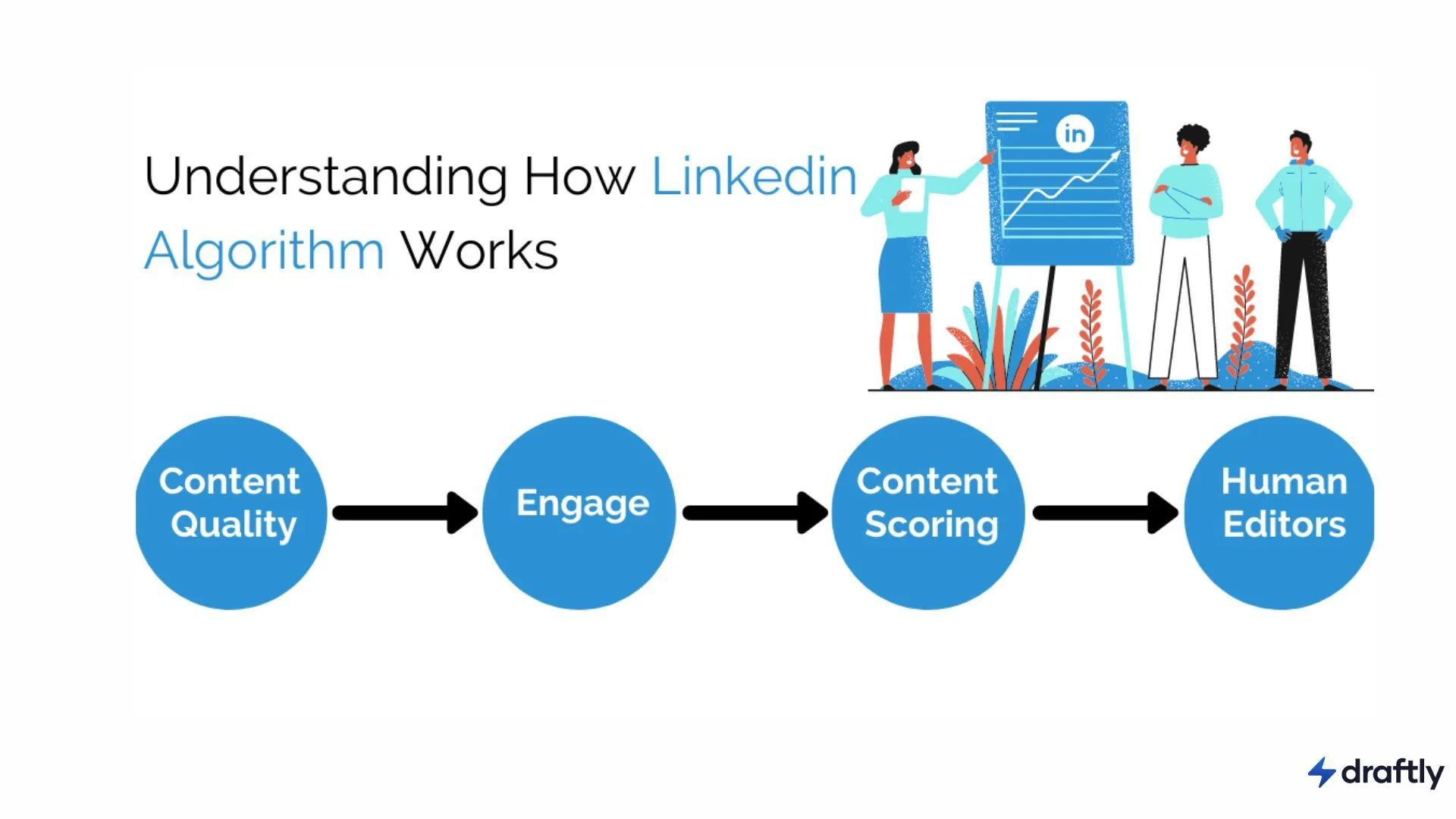
Here’s a deeper breakdown of how the algorithm functions:
1. Content Classification
- The first step in LinkedIn’s algorithm is to classify content based on format (text, image, video, document, link, etc.).
- Certain types of content, like video posts and carousels, often receive more visibility due to their ability to keep users engaged for a longer duration.
- LinkedIn has also started prioritizing native content over external links to keep users within the platform.
2. Engagement Monitoring
- The first 60 minutes after posting (also known as the ‘golden hour’) are crucial.
- The algorithm monitors how many likes, shares, and, most importantly, comments your post gets within this timeframe.
- The more interaction your post gets early on, the more LinkedIn will push it to a wider audience, leading to significantly more LinkedIn impressions.
3. Audience Relevance Score
- The algorithm evaluates the relevance of a post based on the user's activity, interests, and past engagements.
- If a post aligns with the content a user typically interacts with, LinkedIn will prioritize it in their feed.
- Posts that include industry-specific insights tend to perform better since they are considered more valuable.
4. Virality Potential Calculation
- LinkedIn assesses whether a post has viral potential by analyzing comment chains, reshares, and direct interactions.
- A post with a long thread of engaging comments will likely get pushed to more users.
- Posts that generate actual discussions (not just likes) are favoured by the algorithm.
5. AI-driven Content Filtering
- LinkedIn has invested heavily in AI to filter spam, clickbait, and low-value content.
- Posts with excessive hashtags, salesy language, or engagement-baiting techniques (e.g., “Like this post if you agree!”) may get de-prioritized. Knowing which LinkedIn hashtags to use and how many is key to staying on the right side of the algorithm.
- High-quality, well-written, and informative posts receive better visibility.
The Evolution of LinkedIn’s Algorithm Over the Years
LinkedIn’s algorithm has undergone multiple transformations over the years. Initially, posts were distributed based on chronological order, but today, engagement-driven ranking is the primary factor in determining visibility.
Here’s a closer look at how the LinkedIn algorithm has evolved:
2018-2019: The Engagement Era
- LinkedIn emphasized likes and comments as key ranking factors.
- The more engagement a post got, the wider it was distributed.
- Algorithm weaknesses included excessive visibility for low-quality engagement-bait content.
2020-2022: The Rise of Thought Leadership & Long-Form Content
- LinkedIn began prioritizing valuable, long-form content.
- Storytelling posts, personal experiences, and thought leadership content gained traction.
- Videos and LinkedIn carousels started receiving more visibility.
2023-2024: AI-Powered Content Filtering & Spam Detection
- LinkedIn’s AI began filtering out spam and engagement-baiting content.
- Excessive use of external links led to a decline in visibility.
- The platform shifted focus to posts that generated deeper discussions rather than just surface-level engagement.
2025: The Era of Community-Driven Conversations
- LinkedIn now prioritizes authentic, high-value posts that drive meaningful conversations.
- More weight is given to comment-heavy posts instead of like-heavy posts.
- Native LinkedIn content (e.g., newsletters, articles, and carousels) is favored over external links.
- Posts from individuals tend to outperform company pages unless company posts receive significant employee engagement.
By understanding these changes, content creators and professionals can fine-tune their LinkedIn strategy to align with the latest algorithm shifts and maximize engagement.
Key Factors That Influence LinkedIn Post Visibility in 2026
Maximizing visibility on LinkedIn requires an understanding of how the algorithm prioritizes content. It is not just about posting frequently, but rather posting strategically. Here are the most important factors that impact your LinkedIn post’s visibility:
1. Engagement Rate in the First Hour (‘Golden Hour’)
LinkedIn tracks the engagement your post gets in the first hour after publishing. This is referred to as the golden hour. If your post attracts a lot of comments, shares, and meaningful interactions during this window, LinkedIn perceives it as valuable content and pushes it to a larger audience.
- Why it matters: Early engagement acts as a signal for the algorithm to determine the quality of your content.
- How to optimize:
- Post when your audience is most active (typically during working hours on weekdays).
- Encourage comments by asking questions or prompting discussions.
- Reply to comments immediately to keep engagement going.
- Use strong opening lines to capture attention quickly.
2. The ‘Meaningful Conversation’ Metric
LinkedIn values discussions over passive engagement. A post that receives 50 thoughtful comments is ranked higher than one with 500 likes but no real interaction.
- Why it matters: Meaningful conversations indicate that your content is valuable and fosters deeper engagement.
- How to optimize:
- Avoid generic or clickbait-style posts.
- Ask open-ended questions to spark discussion.
- Share insights or personal experiences that invite feedback.
- Engage with people in the comments to encourage further discussions.
3. Content Type & Format
Certain content formats naturally perform better than others. In 2026, LinkedIn prioritizes:
- Text-based posts: Posts with storytelling, personal insights, or industry knowledge generate the most engagement.
- Videos: Short videos (under 3 minutes) with captions tend to have high retention and engagement.
- Carousels (multi-slide PDFs): These provide value in a structured, digestible format, making them one of the best-performing content types.
- Polls: If done strategically, polls can generate significant engagement, but overuse may reduce effectiveness.
4. Consistency in Posting Frequency
Posting regularly on LinkedIn is important, but quality is more critical than quantity. Overposting can lead to content fatigue, where your audience starts ignoring your posts. Always comment like a pro on LinkedIn.
- Optimal posting frequency: 2-3 times per week is ideal. Posting daily may dilute engagement unless the content is highly valuable.
- How to maintain consistency:
- Plan a content calendar.
- Leverage tools like Draftly to streamline your content creation process and ensure you stay ahead in LinkedIn’s competitive landscape.
- Repurpose high-performing content in different formats.
Industry-Specific LinkedIn Algorithm Tips
Different industries face unique challenges and opportunities on LinkedIn. Here’s how to tailor your strategy based on your sector:
Tech & SaaS
- Utilize LinkedIn newsletters to provide in-depth content.
- Share case studies highlighting innovative solutions.
- Create carousels showcasing product benefits.
Finance & Investment
- Post data-backed insights and market trends.
- Use storytelling to explain complex financial concepts.
- Host LinkedIn live discussions with industry experts.
Healthcare & Pharma
- Focus on educational content and professional storytelling.
- Share updates on medical advancements.
- Use LinkedIn articles for in-depth research breakdowns.
Consulting & Coaching
- Engage in conversations by asking thought-provoking questions.
- Provide actionable advice with clear takeaways.
- Post testimonials and success stories.
Tools & Resources to Improve LinkedIn Strategy
If you're serious about growing your LinkedIn presence, leveraging the right tools can make a significant difference. Here are essential tools that can help you plan, analyze, and optimize your LinkedIn content:
1. Draftly
- Plan and schedule posts in advance.
- Get AI-driven suggestions to improve engagement.
- Automate post analytics to track performance.
2. LinkedIn Analytics
- Monitor post engagement, impressions, and audience demographics.
- Use data insights to refine your content strategy.
- Identify which content types perform best.
3. Canva
- Create visually appealing LinkedIn carousels and infographics.
- Use templates for quick and professional designs.
4. Google Trends
- Identify trending topics in your industry.
- Align content with emerging trends for better reach.
5. Grammarly Editor
- Improve writing clarity and readability.
- Avoid grammar mistakes that could lower content credibility.
Final Thoughts
LinkedIn’s algorithm in 2026 continues to evolve, favouring quality content, meaningful engagement, and consistency. By understanding how it works and adapting your content strategy, you can improve your visibility, expand your reach, and build a strong professional brand.
Don't forget to tag someone in your post to increase your content visibility.
Implement these strategies, stay active in conversations, and watch your LinkedIn presence grow exponentially.